
I’ve spent years watching L&D and compliance teams in financial institutions fight the same losing battle. Chasing down employees for mandatory training completions, scrambling to produce audit documentation at the last minute, and trying to keep 500-page policy manuals “up to date” on a shared drive. The problem isn’t effort. The problem is the absence of the right system.
An LMS in banking is no longer a “nice to have.” When global regulators slapped banks with $4.5 billion in fines in 2024 alone for compliance failures, many of them linked to inadequate employee training, the business case writes itself. A well-implemented banking LMS solution doesn’t just tick boxes. It protects your institution, builds a more capable workforce, and gives your compliance team the paper trail they’ll need when the auditors knock.
In this guide, I’m breaking down the 10 best LMS for banking and financial services in 2026. These are platforms I’ve evaluated against real criteria that matter in this industry: audit readiness, compliance automation, security, role-based learning paths, and ease of use for both admins and learners.
What Is an LMS in Banking?
An LMS in banking is a centralized digital platform that helps financial institutions create, deliver, track, and manage employee training programs, from compliance courses to onboarding and professional development.
In practice, a banking LMS does three critical things:
- Automates Mandatory Training: Every bank has courses that employees must complete regularly, like Anti-Money Laundering (AML), Know Your Customer (KYC), and data protection training. Instead of HR manually tracking who needs what and chasing down completions, the LMS assigns the right course to the right person automatically, sends reminders, and flags anyone who is overdue.
- Generates Audit-Ready Documentation: Regulators don’t just want to know that training happened. They want timestamped proof of who completed which course, on what date, and with what score. A banking LMS records all of this in the background and lets you pull a clean compliance report in minutes, rather than assembling evidence from scattered spreadsheets when an auditor arrives.
- Scales Training Across Branches: As a bank grows, keeping training consistent across locations becomes a real challenge. A banking LMS gives you one central place to manage all training across every branch, role, and region, so whether you have 50 employees or 5,000, everyone gets the same up-to-date content and you always know exactly where each person stands.
Why Do Banks and Financial Institutions Use an LMS for Employee Training?
Banking is one of the most heavily regulated industries in the world. Employees at every level, from tellers to compliance officers, are required to complete specific training programs, renew certifications on schedule, and follow rules set by government bodies and financial regulators. Here is why the best-rated LMS for the finance industry has become mission-critical:
1. Compliance Training Is Mandatory, And The Stakes Are High
A study by Deloitte’s Compliance Benchmarking Study in 2024 found that over 78% of banks reported reduced operational risk after implementing structured compliance training programs.
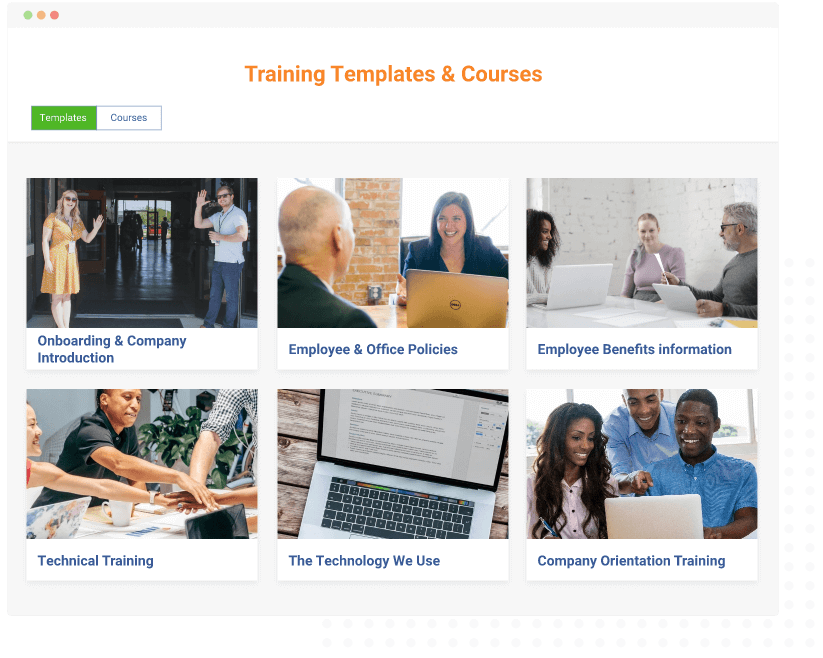
Without a centralized system, compliance managers end up tracking mandatory training through spreadsheets and email follow-ups, a process that breaks down fast and looks terrible during an audit.
2. Onboarding The Wrong Way Slows Everything Down
In banking, a new relationship manager or branch staff member who isn’t trained quickly is a liability, not just a cost. Companies using an LMS-powered onboarding process see 82% higher retention and a 70% boost in new-hire productivity, according to a study by LinkedIn Workplace Learning Report in 2025. Getting people up to speed faster directly affects how well your branches perform.
If you’re new to the concept of structured employee training and want to understand why it matters before diving deeper, this short video breaks it down clearly:
3. Regulators Want Documented Proof, Not Verbal Assurances
When an examiner walks in and asks whether every licensed employee completed their required training on time, “we think so” is not an acceptable answer. An LMS for finance gives you exportable, timestamped records that answer that question in minutes, not days.
10 Best LMS for Banking and Financial Services in This Year
Here are the best-rated LMS for finance industry professionals in 2026, evaluated on compliance capability, ease of use, security, and overall value.
| LMS Platform | Best For | Pricing |
| ProProfs Training Maker | Easy Employee Training & AI-Powered Course Creation | Forever free for up to 10 learners. Paid plans from $1.99 per active learner/month |
| Docebo | Complex Enterprise Training | Custom pricing |
| LearnUpon | Multi-Portal Compliance Training | From $599/month (billed annually) |
| eFront | Training at Scale | From $1,200/month |
| GyrusAim | Competency Rating | From $5,500/year (up to 100 users) |
| Moodle | Open Source Learning | Free; Paid from $134/year |
| Paradiso | White Labeling and Customization | Free plan available; Paid from $5.50/user/month |
| 360Learning | Collaborative Learning | From $8/user/month |
| SkyPrep | Employee Development and Online Training | Custom pricing |
| Skillcast | Compliance-Focused Learning | From $378.38/year |
1. ProProfs Training Maker – Best for Easy Employee Training & AI-Powered Course Creation
ProProfs Training Maker is what I reach for when a financial institution wants fast setup, strong compliance features, and a platform the entire team will actually use, not just the IT department.
Right now, with ProProfs AI LMS, I can build a full AML awareness course in under 30 minutes using the AI course generator. Try it yourself. Drop a topic below and see what comes out.

Let ProProfs AI create your training course
Beyond the AI builder, the 500+ expert-built course library covers the full compliance stack that financial teams actually need: Anti-Money Laundering (AML) and Bank Secrecy Act (BSA), Fraud Awareness, Customer Due Diligence (CDD), Cybersecurity Awareness, and Data Privacy including GDPR, all built by certified subject matter experts and ready to deploy or let AI customize on day one.
What keeps compliance officers coming back is the audit trail. The real-time tracking dashboard shows exactly who completed what, when, and with what score, the kind of timestamped, exportable record that holds up during a regulatory review. Automated reminders handle the follow-up, certificates issued on completion, and role-based learning paths mean your tellers, relationship managers, and back-office staff aren’t sitting through the same generic module.
Pros:
- AI course generator creates compliance courses in minutes from a topic or document
- 500+ Ready-to-use course library covering finance, compliance, onboarding, and soft skills
- Automated LMS certification tracking with expiry reminders for recertification
- Role-based learning paths and virtual classrooms for branch-specific training
- Real-time analytics and completion reports that are audit-ready on demand
Cons:
- No downloadable or on-premise version available
- Dark user interface option is not yet available
Pricing:
Forever free for up to 10 learners. Paid plans from $1.99 per active learner/month.
Real-World Success Story:
2. Docebo – Best for Complex Enterprise Training
When I first started evaluating LMS platforms for a large financial institution with compliance programs spanning multiple countries and regulatory frameworks, Docebo stood out immediately.
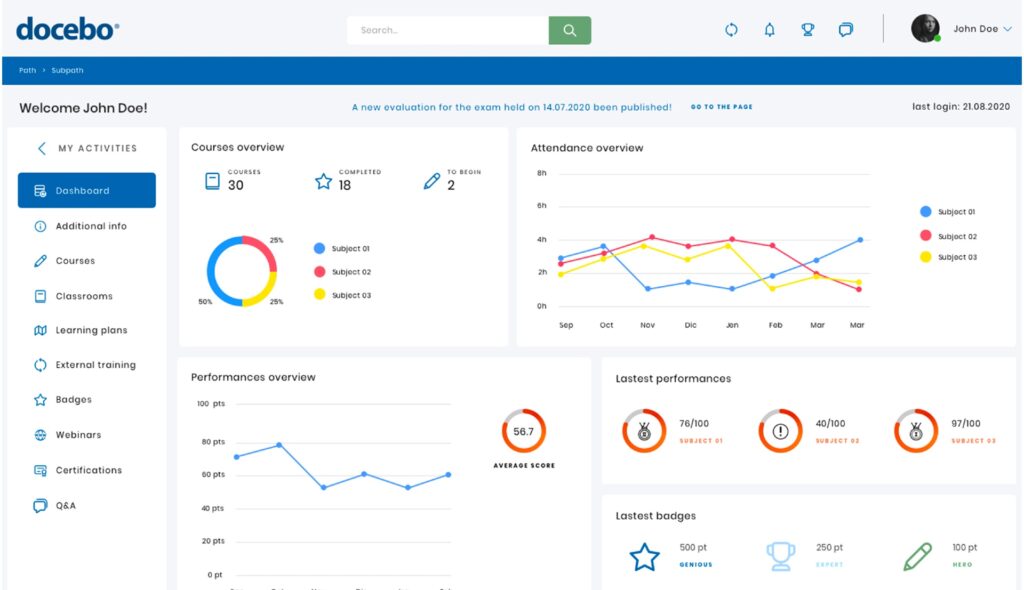
What impressed me most was how it handled version control on compliance content. In a sector where one regulatory update can invalidate an entire training module, having every piece of content versioned, auditable, and automatically pushed to learners was a significant relief. The AI-powered personalization engine was also genuinely useful. It adjusted learning recommendations based on each employee’s role, behavior, and progress, reducing the time L&D administrators spent on manual assignments.
I also found the social learning features valuable in an unexpected way: compliance officers and risk managers were sharing real-world scenarios in discussion threads, which added a layer of experiential learning that no course could fully replicate.
Pros:
- AI-powered recommendations create personalized learning paths by role and behavior
- Version control on training content ensures regulatory updates are pushed instantly
- Gamification features improve engagement and completion rates for mandatory training
- Social learning communities allow peer knowledge sharing across departments
Cons:
- Mobile app is less intuitive compared to the desktop experience
- Gamification and advanced features are only available in higher pricing tiers
Pricing:
Custom pricing (contact Docebo for a quote).
3. LearnUpon – Best for Delivering Multi-Portal Compliance Training
LearnUpon was the first platform where I genuinely felt that managing compliance training for a distributed financial network was under control rather than constantly reactive.
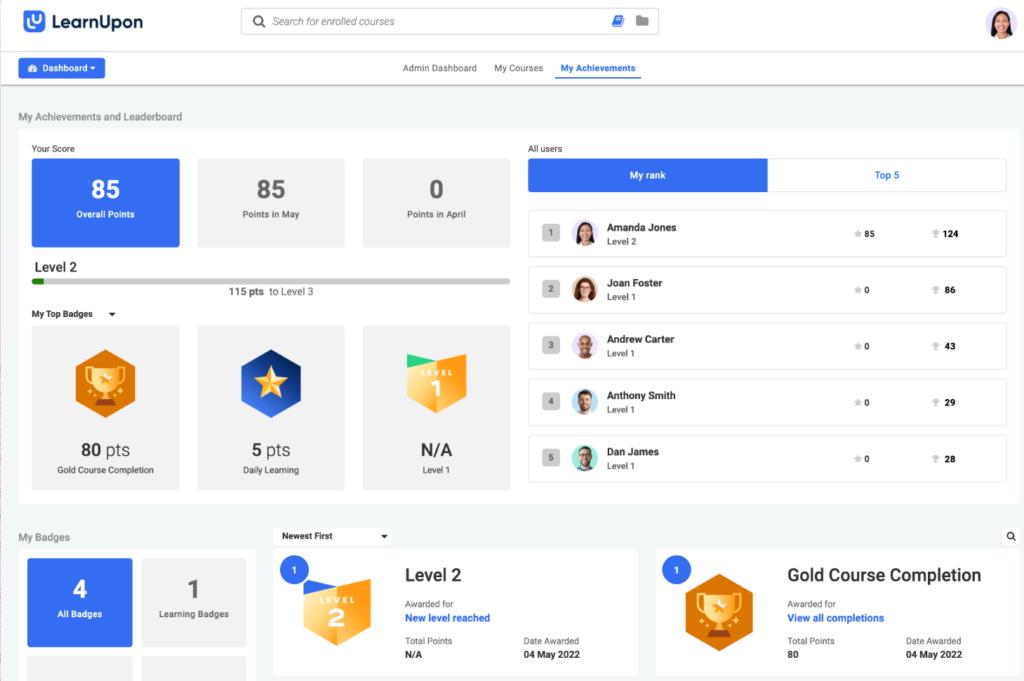
The feature that made the biggest difference was the native multi-portal architecture. I could run completely separate, branded training environments for retail banking staff, wealth advisors, compliance teams, and external broker partners, all from one admin dashboard. Each portal had its own catalogs, completion rules, and compliance deadlines. This eliminated the confusion that came from treating a teller and a licensed investment advisor as the same kind of learner.
The webinar integrations with Zoom and GoToWebinar were also genuinely practical. For onboarding cohorts and live regulatory briefings, being able to record, store, and track who attended inside the same LMS, rather than managing a separate video library, saved the L&D team hours every week.
Pros:
- Native multi-portal architecture for separate training environments by role or department
- Deep webinar tool integrations with automatic attendance tracking and recording
- Blended learning support combining live sessions with self-paced modules
- AI-generated course and module summaries help learners review key compliance concepts
Cons:
- Gamification and social learning features are gated to higher pricing tiers
- Branding and UI customization is more limited compared to some competitors
Pricing:
Paid plans start at $599/month (billed annually).
4. eFront – Best for Supporting Compliance Training at Scale
eFront was the LMS I turned to when training requirements outgrew what most mid-market platforms could handle, and I needed enterprise-grade capability without enterprise-level complexity in day-to-day operations.
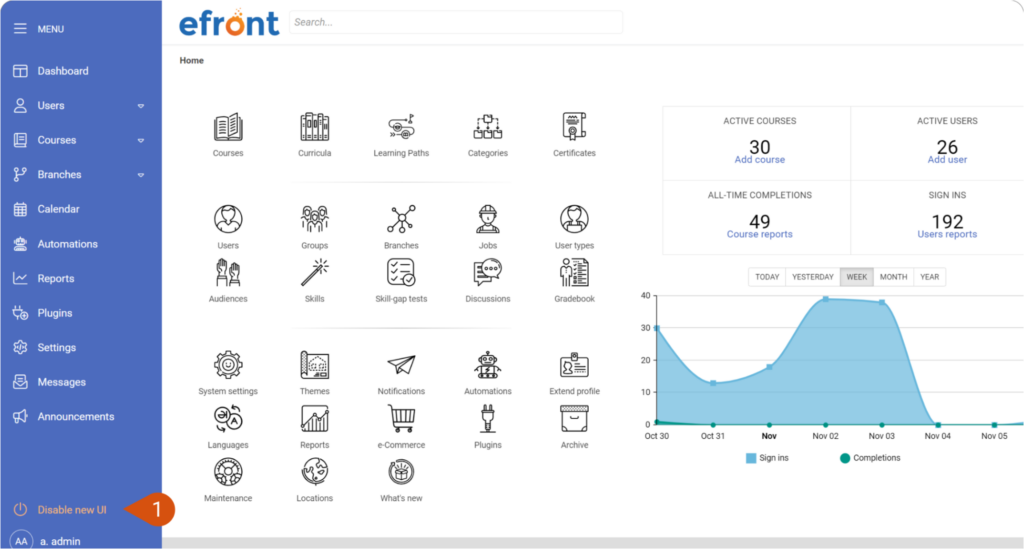
The multi-tenancy feature was the standout for a regional bank with dozens of branches. Each branch unit could have its own training environment, branding, and compliance calendar, all governed from one central admin. When a new regulatory update needed to roll out across every branch simultaneously, it took minutes, not days.
The skill-gap testing feature was also more sophisticated than I expected: it ran assessments, identified where specific employees or teams were underqualified, and automatically recommended targeted courses to close those gaps.
Pros:
- Multi-tenancy architecture supports separate training environments across branches and subsidiaries
- Skill-gap testing identifies individual and team-level training deficiencies automatically
- Competency-based learning paths assign courses based on each employee’s role and proficiency
- Custom reporting tools track user actions and system activities for compliance purposes
Cons:
- Graphical interface feels dated compared to newer platforms
- Bulk download of completion certificates is not available
Pricing:
Starts at $1,200/month.
5. GyrusAim – Best for Competency Rating
GyrusAim was a recommendation I received from an L&D director at a mid-sized bank, and after running it through a proper evaluation, I understood why it came so highly regarded in regulated environments.
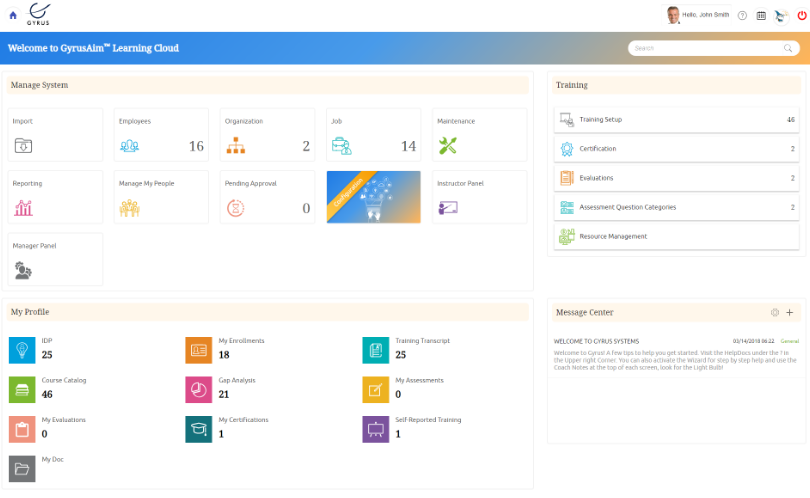
The integrated Competency Ratings feature was the differentiator that stood out most clearly. For financial institutions that need to track not just whether an employee completed a course, but whether they have demonstrated the required level of proficiency for a role, particularly in areas like credit underwriting, risk assessment, or investment advisory, GyrusAim gave managers a quantifiable view of team capability.
It bridged the gap between online learning completions and on-the-job competency validation in a way that most LMS platforms simply do not attempt.
Pros:
- Integrated Competency Ratings link online training to verified on-the-job skill levels
- Deep HRIS and CRM integrations for automated user management and enrollment
- Personalized learning journeys built around individual skills gaps and role requirements
- Mobile-responsive design allows field staff and branch advisors to train anywhere
Cons:
- Extensive customization options require significant configuration time
- Managing and maintaining the platform demands meaningful IT or admin resources
Pricing:
Paid plans start at $5,500/year for up to 100 users.
6. Moodle – Best for Open-Source Learning
Moodle was the LMS that showed me how much flexibility an open-source platform could offer, particularly for smaller banks and credit unions that need control over their training environment without paying enterprise licensing fees.
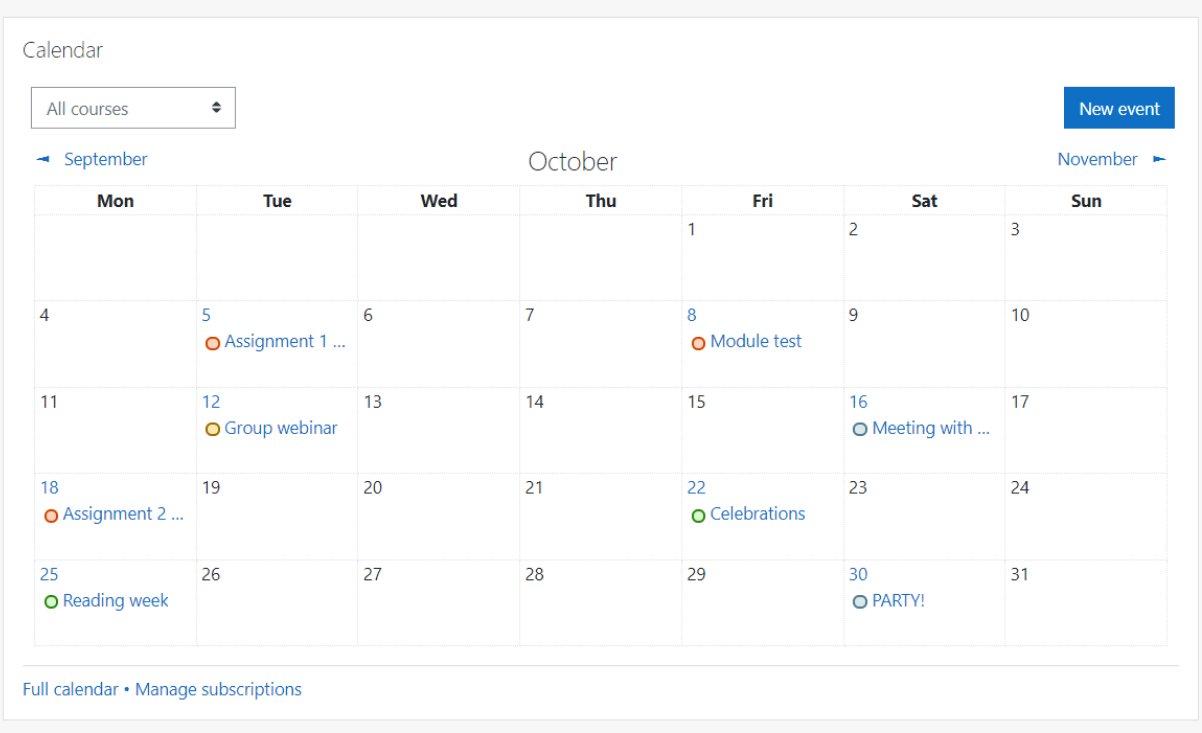
The open-source model meant that our team could customize every aspect of the platform: course structure, user roles, reporting formats, branding. The plugin ecosystem was surprisingly deep for compliance use cases.
There are purpose-built modules for certification management, SCORM delivery, and attendance tracking. For institutions with internal IT capability, Moodle becomes a highly capable banking LMS solution that doesn’t lock you into a vendor’s pricing model.
Pros:
- Extensive plugin library extends functionality for compliance, certification, and reporting
- Robust scheduling and event management for instructor-led compliance sessions
- Comprehensive quiz, assignment, and grading tools built into the core platform
- Active global community continuously contributes updates, integrations, and plugins
Cons:
- Interface aesthetics feel dated compared to modern commercial LMS platforms
- Non-technical staff typically require dedicated admin support to manage the platform
Pricing:
Free (open-source). Moodle Certified Service Providers offer hosted plans starting at $134/year for up to 50 users.
7. Paradiso – Best for White Labeling and Customization
Paradiso was a discovery I made while searching specifically for a banking LMS solution that could serve as a white-labeled training portal for both employees and external financial advisors, all under one brand umbrella.
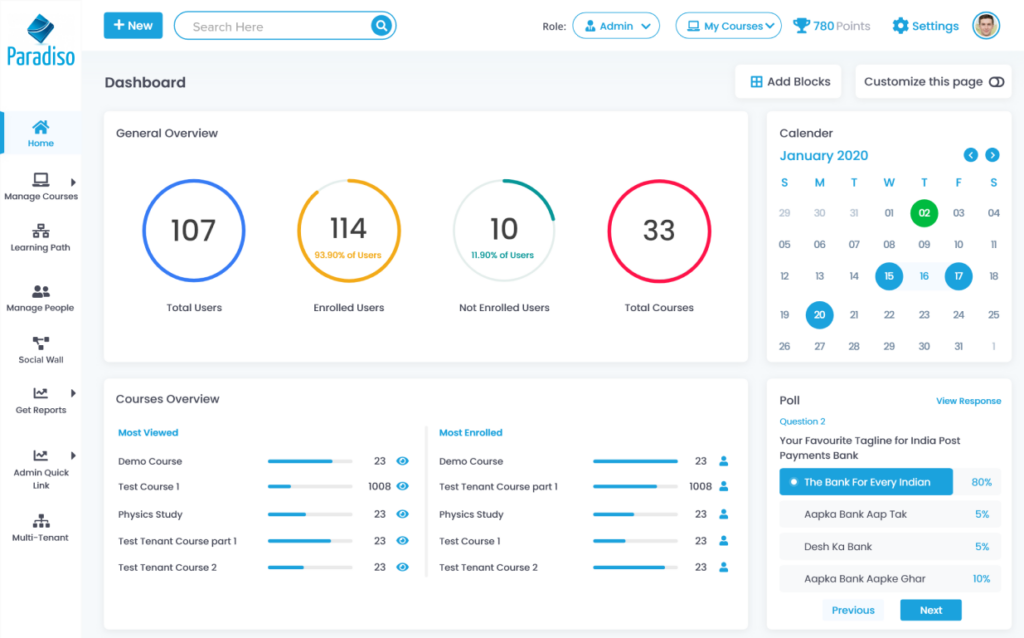
The white-label depth was genuinely impressive. I could customize the domain name, color scheme, logo, login page, email notifications, and even the certificate template, all without touching a line of code. For institutions that train external broker networks or distributor teams, that kind of branded training experience matters.
The platform’s pre-built library of over 80,000 courses covering financial regulations, AML, KYC, and compliance topics meant I wasn’t starting from zero, which saved significant course development time.
Pros:
- Fully white-labeled platform with customizable domain, branding, and certification design
- Pre-built library of 80,000+ courses including financial regulations, AML, and KYC
- Multi-tenancy support for separate portals for branches, departments, and external partners
- Mobile-optimized interface for on-the-go access by field-based financial advisors
Cons:
- Extensive feature set creates a steep learning curve for new administrators
- Requires meaningful server resources, less suitable for organizations with limited IT infrastructure
Pricing:
Free plan available (up to 50 users). Paid plans start at $5.50/user/month.
8. 360Learning – Best for Collaborative Compliance Learning
360Learning was the LMS that changed how I thought about compliance training, not as a top-down mandate, but as something that could genuinely engage people across a financial institution.
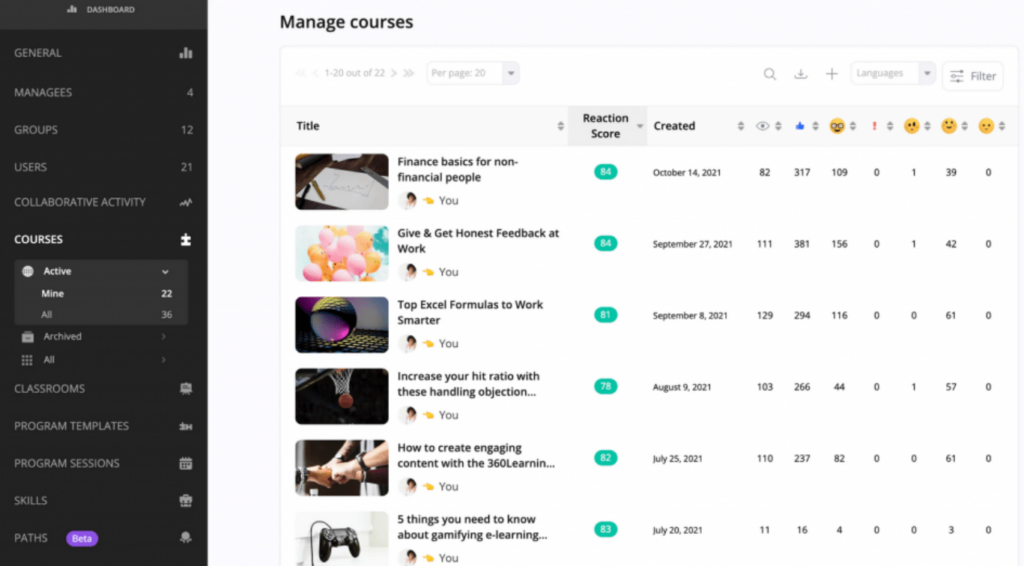
The collaborative learning model was the key insight. Instead of compliance content flowing only from L&D administrators to employees, 360Learning allowed subject-matter experts inside the bank, compliance officers, risk managers, experienced relationship managers, to contribute their own knowledge directly to courses.
A senior fraud analyst could record a 3-minute explanation of a real case and have it live inside a compliance module the same day. That kind of internal expertise is far more credible to employees than generic vendor content.
Pros:
- Collaborative course creation allows internal SMEs to contribute compliance knowledge directly
- Comprehensive reporting and analytics support ROI measurement and audit documentation
- Automated compliance workflows reduce manual tracking and administrative overhead
- Dynamic learning groups and custom filters support role-based training assignments
Cons:
- Migrating existing content from other LMS platforms can be technically complex
- Full offline access to course materials is not consistently available on mobile
Pricing:
Paid plans start at $8/user/month.
9. SkyPrep – Best for Online Training and Employee Development
SkyPrep was a platform I encountered when an insurance brokerage needed something that was genuinely simple to manage, not for an L&D team of 20 but for a single HR manager running training for 150 employees across three branches.
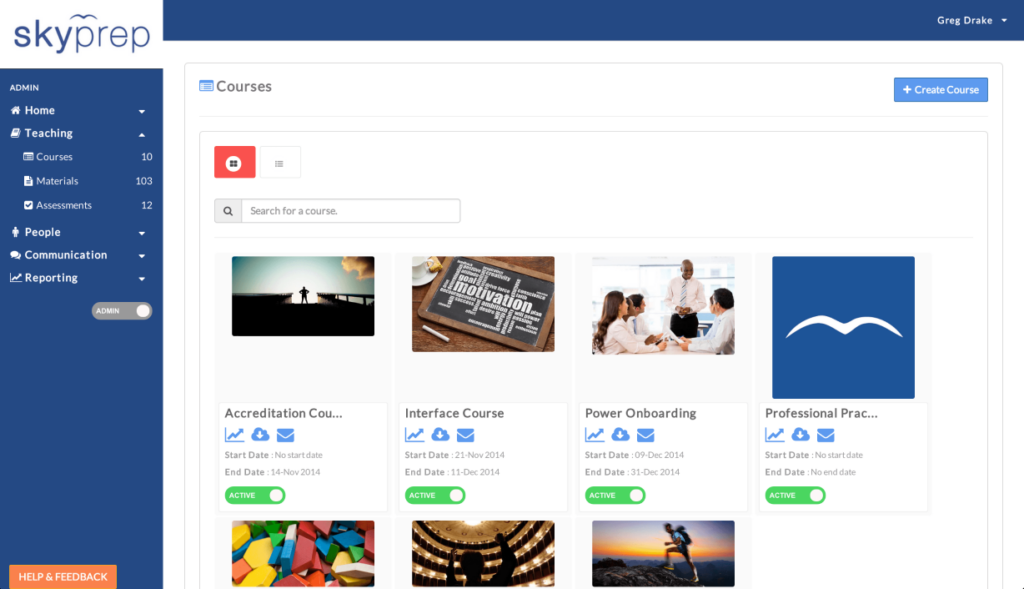
What made SkyPrep work for that context was its approachability. The admin interface was clean enough that non-technical users could set up learning paths, assign courses, and pull completion reports without any training on the platform itself.
The centralized training hub meant employees always knew exactly where to go for their compliance modules, onboarding materials, and professional development content. And the advanced reporting features gave the HR manager the documentation she needed for annual audits, without manual data assembly.
Pros:
- Ideal for streamlining onboarding and compliance training for distributed teams
- Robust reporting and analytics make progress tracking and audit preparation straightforward
- Highly configurable to fit the specific training structure of different financial organizations
- Clean, intuitive admin interface reduces the technical burden on small L&D teams
Cons:
- Content stored outside the resource center loses searchability within sub-folders
- Does not natively support role-specific safety audit checklist creation and tracking
Pricing:
Custom pricing (contact SkyPrep for a quote).
10. Skillcast – Best for Compliance-Focused Learning
Skillcast was the platform I came across specifically while looking for an LMS for banking and finance that didn’t require compliance teams to bolt on third-party content libraries. Everything they needed was already inside.
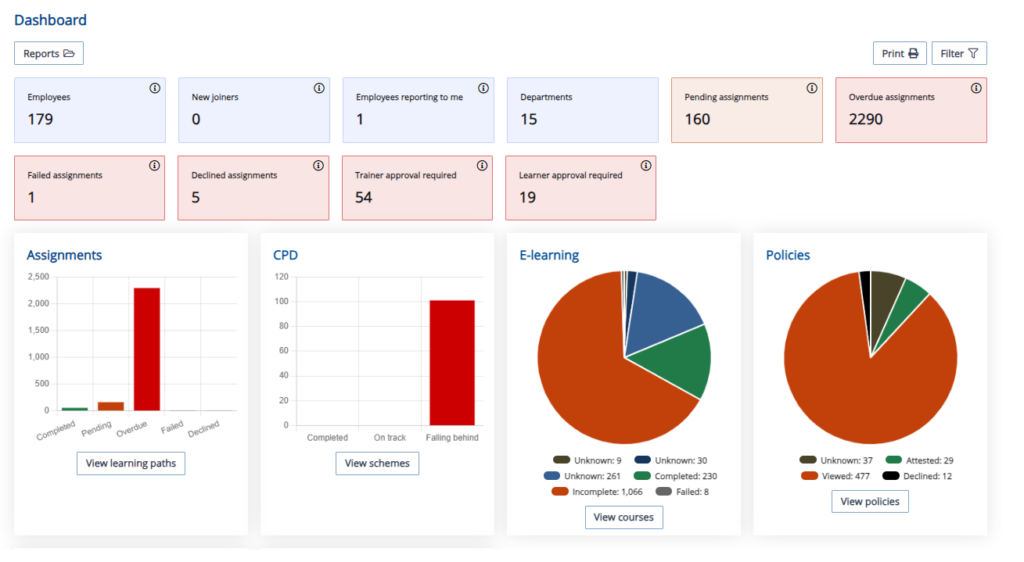
What sets Skillcast apart is how deeply compliance is embedded into the product DNA, not just as a feature but as the core purpose. The platform ships with sector-specific modules covering FCA compliance, anti-bribery, GDPR, financial crime prevention, and AML. These aren’t generic templates. They are built for the regulatory landscape of financial institutions.
The real-time insights and reporting made tracking training effectiveness straightforward, and the management console gave compliance officers a clear view of who was overdue, who had completed their annual refreshers, and where the knowledge gaps were concentrated.
Pros:
- Sector-specific compliance modules for FCA, AML, GDPR, anti-bribery, and financial crime
- Mandatory assignment capability allows compliance teams to enforce required training
- User-friendly interface that reduces learner friction and improves completion rates
- Wide course variety covers technical compliance topics and soft skills for financial teams
Cons:
- Detailed PDF manuals for content revision are not readily available
- Management console navigation can feel unintuitive for new administrators
Pricing:
Starts at $378.38/year. Includes mandatory assignment functionality.
How Did I Evaluate These LMS Platforms?
To make sure the tools in this list genuinely hold up for banking and financial services, I followed a structured, unbiased evaluation process. Here is exactly how I assessed each platform:
- User Reviews and Ratings: I went directly to what real users say, pulling verified reviews from G2, Capterra, and TrustRadius. I specifically looked for feedback from compliance managers, L&D teams, and HR professionals in financial institutions, not just generic enterprise users. Patterns in the reviews, both positive and negative, tell you far more than a vendor’s feature page ever will.
- Essential Features and Functionality: I tested each platform against the features that actually matter in banking: compliance automation, certification tracking, role-based paths, audit reporting, SCORM support, and security standards. A platform that looks impressive in a demo but cannot generate a timestamped audit report on demand is not a banking LMS. It is a general-purpose tool dressed up for the occasion.
- Ease of Use: A compliance officer managing a team of 300 does not have time to learn a complex system. I evaluated how quickly a non-technical admin could set up a compliance calendar, assign courses, and pull a completion report. If it required more than a few clicks, that friction was noted.
- Customer Support: In banking, downtime or a system glitch during a compliance deadline is a serious problem. I looked at how each vendor handles support: response times, availability, quality of documentation, and whether dedicated support is included in standard plans or locked behind premium tiers.
- Value for Money: I compared what each platform delivers against its pricing structure, including whether the features most critical for banking compliance are available in base plans or require expensive add-ons. A platform that charges extra for audit logs is a red flag in a regulated environment.
- Personal Experience and Expert Insights: Finally, I drew on my own hands-on experience with these platforms and conversations with L&D leaders and compliance managers currently running training programs inside financial institutions. Real-world context catches things that feature checklists miss.
My Top 3 Picks for the Best LMS in Banking
After evaluating all ten platforms against real banking compliance criteria, here are my honest top three:
1. ProProfs Training Maker
ProProfs Training Maker is the best starting point for most financial institutions, particularly those that need fast implementation, AI-assisted course creation, and an accessible platform for both admins and learners. The free plan makes it risk-free to test, and the paid plans scale cost-effectively as headcount grows.
2. LearnUpon
LearnUpon is the strongest choice for financial institutions managing multiple audience types, retail staff, wealth advisors, external partners, and needing separate, independently governed training portals with strong compliance documentation.
3. Docebo
Docebo is the right call for large enterprises requiring AI-driven personalization, advanced automation, and an LMS that integrates deeply with enterprise HR and risk management infrastructure.
If I had to pick one, I would recommend ProProfs Training Maker for most banking institutions. Not because it is the most feature-heavy platform on this list, but because it delivers the right combination of compliance capability, ease of use, and value that most L&D and compliance teams actually need.
What Types of Training Do Banks Deliver Using an LMS?
Financial institutions use their LMS to cover a wide range of employee training programs across departments and roles. What makes banking unique is that no two roles have the same training requirements. Here is a breakdown of the main training categories financial institutions typically manage through a banking LMS:
1. Compliance and Regulatory Training
This is the non-negotiable core of any banking training program. It covers AML (Anti-Money Laundering), KYC (Know Your Customer), GDPR, BSA (Bank Secrecy Act), FINRA regulations, SEC requirements, PCI-DSS for payment security, and SOX compliance.
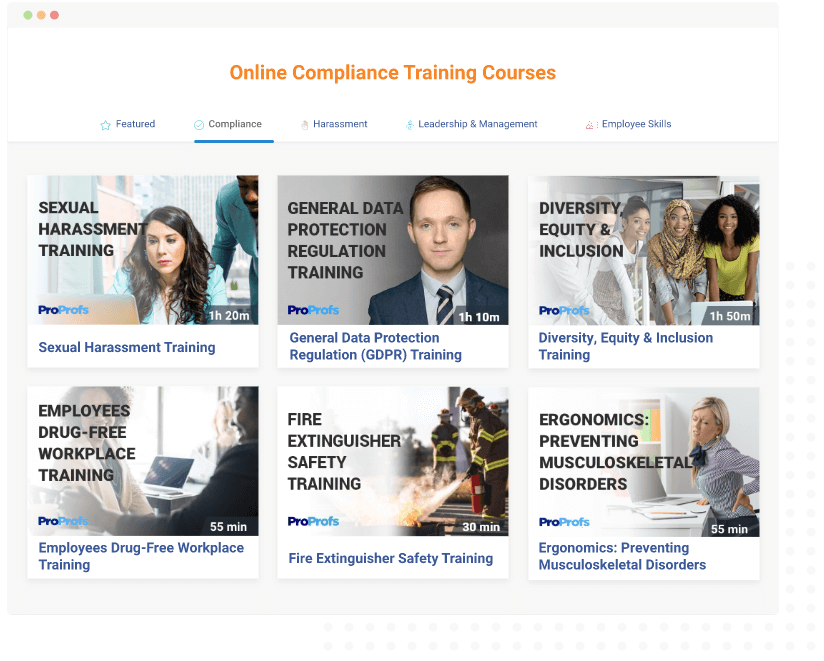
The LMS automates assignment, tracks completion, and stores dated records so you have documented proof ready for any audit. Think of this as the legal backbone of your training program.
2. New Hire Onboarding
Every new employee needs to get up to speed fast without draining senior staff. A banking LMS delivers role-specific learning paths from day one, covering bank policies, procedures, systems access, and required compliance modules.
A new teller gets a different onboarding track from a new loan officer or a compliance analyst. No generic one-size-fits-all content.
3. Fraud and Cybersecurity Awareness
Financial institutions are among the most targeted sectors for cyberattacks. The LMS delivers phishing simulations, data security protocol training, and social engineering defense modules on a recurring schedule.
4. Product Knowledge Training
When your institution launches a new product, revises fee structures, or updates service terms, every front-line employee needs to know immediately.
The LMS pushes these product updates as short modules and tracks who has acknowledged and understood the changes, reducing the risk of customer misinformation.
5. Customer Service and Sales Skills
Well-trained customer-facing staff directly drive satisfaction scores and revenue. The LMS delivers communication skills training, objection handling, cross-selling ethics, empathy techniques, and complaint resolution workflows, all in short, digestible modules that staff can complete between shifts or during quieter periods.
6. Leadership and Management Development
Branch managers, team leads, and senior managers need ongoing development too. The LMS supports leadership programs covering people management, performance coaching, conflict resolution, and operational decision-making.
This helps build internal bench strength and reduce the cost of external leadership hiring.
7. Risk Management Education
Credit risk, operational risk, and market risk are everyday realities in banking. The LMS delivers scenario-based training that puts employees in real-world situations and tests their judgment.
Case studies, simulated decisions, and follow-up assessments help build a risk-aware culture from the ground up.
8. Continuing Professional Development (CPD)
Many banking roles require employees to complete a set number of certified learning hours per year to maintain their professional licenses.
The LMS tracks CPD progress, reminds employees when renewal deadlines are approaching, and issues certificates automatically upon completion.
What Features Should an LMS for Financial Institutions Include?
Not all LMS platforms are built for the compliance training intensity of banking. When evaluating a banking LMS solution, these are the features that actually matter. Think of this as your checklist before you sign any contract:
1. AI Course Creation
Imagine being able to type in “AML refresher course for branch tellers” and having a complete, structured course with slides, quizzes, and a summary ready in minutes. That is what AI course creation does inside modern banking LMS platforms.
It takes over the time-consuming parts of course building so your L&D team can focus on quality control and customization rather than building from scratch. If your team is still manually assembling PowerPoints for compliance training, this feature alone is worth the switch.
2. Automated Certification and Recertification Tracking
In banking, certifications expire. A licensed financial advisor whose certification lapses is a compliance liability. A good banking LMS tracks every certificate expiry date, automatically assigns refresher courses before the deadline, and sends reminders to both the employee and their manager.
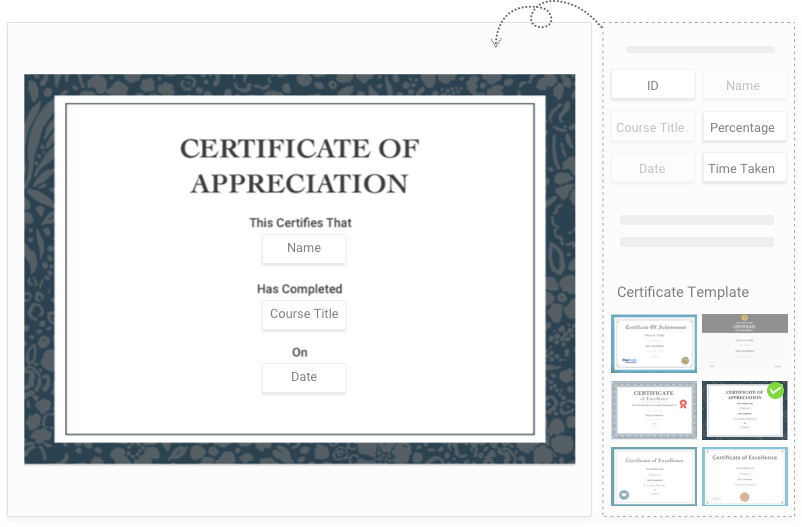
No spreadsheet. No manual follow-up. No last-minute panic before an audit. This feature is not optional in a regulated environment.
3. Role-Based Learning Paths
Think of learning paths like personalized training menus. A teller should not be wading through credit risk modules designed for an investment analyst. The LMS lets you build separate training tracks for each role, department, or branch.
When a new employee joins, the system automatically assigns the right modules based on their job title. This makes training relevant, faster to complete, and far more effective.
4. Immutable Audit Trails
Regulators do not take your word for it. They want documentation: who completed what training, when they completed it, what score they received, and from which device. A good banking LMS timestamps every single learning action and stores it in a tamper-proof log that you can export on demand.
When an auditor asks for proof that your AML training was completed on schedule, you generate the report in seconds, not days.
5. Enterprise-Grade Security
Your training platform handles employee data, compliance records, and potentially sensitive organizational information. It needs to meet the same security standards you apply to your core banking systems.
Look for encryption both in transit and at rest, Single Sign-On (SSO) so employees use their existing bank credentials, Multi-Factor Authentication (MFA), and role-based access controls that ensure only the right people can see the right content.
6. SCORM, xAPI, and AICC Compatibility
If your institution already has training content built in authoring tools like Articulate or Adobe Captivate, you need an LMS that can import it without rebuilding everything from scratch. SCORM, xAPI (Tin Can), and AICC are the industry-standard formats that allow content to move between platforms.
Without compatibility here, you are stuck rebuilding your entire course library. Always confirm SCORM support before committing to a platform.
7. Mobile Accessibility
Branch staff, field advisors, and remote employees are not always sitting at a desktop. The best banking LMS platforms are fully mobile-responsive, meaning your team can complete compliance modules, watch product update videos, and take assessments from any smartphone or tablet, at any time.
For distributed banking networks, this is the difference between high completion rates and perpetual reminders.
8. HRIS Integration
Every time a new employee joins or an existing employee changes roles, the LMS needs to know. Without HRIS integration, someone has to manually update user lists and reassign learning paths. That is a full-time job in itself at a bank with hundreds of employees.
Native integration with HR systems like Workday, ADP, or BambooHR means enrollment is automatic, role changes trigger updated learning assignments, and offboarding removes access immediately.
9. Reporting and Analytics
Your CHRO and compliance officer want the same thing from training: proof that it is working. A banking LMS should give you real-time dashboards showing completion rates by role, branch, and department. Quiz score trends that reveal knowledge gaps. Time-to-completion data for onboarding.
Overdue certification alerts. The ability to filter any report by team, location, or time period. This is the data that turns training from a cost center into a measurable business function.
10. Multi-Tenancy and Multi-Portal Support
If your institution has multiple branches, subsidiaries, or partner networks, you cannot manage all of them through a single learning environment. Multi-tenancy allows you to create separate, independently branded training portals for each business unit, each with its own catalog, completion rules, and reporting.
Everything still sits under one admin dashboard, but each unit operates in its own clean space. For regional banks and financial groups, this is essential.
How Should Banks Structure Their Training Programs? A Financial Services Training Framework
Most competitor articles on LMS for banking list platforms without explaining how financial institutions should actually organize their training. Here is a practical framework that maps to the real structure of a banking workforce:
Phase 1: Role-Based Onboarding (Days 1 to 30)
Every new hire should enter a learning path built around their specific role, not a generic “welcome to the bank” course. A relationship manager needs product knowledge, CRM training, and client communication skills. A compliance analyst needs AML fundamentals, KYC procedures, and data protection protocols. Build these paths in your LMS before day one.
Phase 2: Mandatory Compliance Training (Ongoing, Quarterly or Annual)
Map your regulatory requirements to a compliance calendar inside the LMS. AML refreshers, KYC updates, data security training, and anti-fraud awareness should be auto-assigned based on role and triggered by recertification dates, not chased manually.
Phase 3: Role-Specific Skills Development (Months 3 to 12)
After compliance foundations are established, use the LMS to build skill development paths. Front-office staff can work through customer service and cross-selling modules. Back-office teams can complete process improvement and operational risk training. Managers can access leadership development content.
Phase 4: Continuous Professional Development (Ongoing)
Use analytics from your LMS to identify skill gaps across teams and proactively assign development content. Link CPD completions to performance reviews and competency ratings where possible.
Who Should Be Trained and How? Role-Based LMS Training for Financial Institutions
One of the biggest gaps in competitor content on LMS for banking and finance is the failure to differentiate training by role. In reality, a one-size-fits-all approach to banking training is one of the fastest ways to get low completion rates, irrelevant learning, and frustrated employees.
Think of it this way: a bank branch teller and a credit risk analyst both work for the same institution. But their day-to-day responsibilities, regulatory obligations, and knowledge requirements are completely different. Sending them through the same training program is like giving a surgeon and a hospital receptionist the same onboarding checklist. Below is a clear, practical guide to what each role needs and how to deliver it:
1. Front-Office Staff: Tellers and Customer Service Representatives
These are your most visible employees. They interact with customers daily, handle cash transactions, and are often the first to spot suspicious behavior.
What they need to learn:
- How to identify and report suspicious transactions (basic AML awareness)
- How to handle customer complaints professionally
- What your current products and services actually do
- Cash handling procedures and fraud red flags
- Workplace harassment prevention basics
How to deliver it: Keep modules short, around 5 to 10 minutes each. Use scenario-based quizzes where employees practice responding to a difficult customer or a suspected fraudulent transaction. Simulated role-plays work well here because these employees learn best by doing, not reading.
2. Relationship Managers and Financial Advisors
These employees manage client relationships and make product recommendations. They carry significant regulatory responsibility because bad advice can result in regulatory complaints and legal liability.
What they need to learn:
- Advanced product knowledge and investment suitability rules
- FINRA and SEC compliance requirements relevant to their license
- Client communication ethics and cross-selling boundaries
- Data privacy and confidentiality obligations
- How to document client interactions correctly
How to deliver it: A mix of self-paced modules and live regulatory update sessions works best here. These employees are busy, so content needs to be focused and directly applicable to their daily client interactions. Compliance scenario assessments where they must make a recommendation and justify it are particularly effective.
3. Compliance Officers and Risk Analysts
These are your regulatory experts. Their training needs to go deep, not just cover surface-level awareness.
What they need to learn:
- Full AML, KYC, BSA, GDPR, and SOX frameworks in detail
- Real-world case studies of regulatory breaches and how they happened
- How to prepare, document, and present audit-ready records
- Reporting procedures and escalation protocols
- Changes to regulatory requirements as they happen
How to deliver it: Detailed, long-form modules with case study analysis and mandatory assessments. Certification tracking is critical here. These employees need documented proof of their regulatory knowledge, and the LMS should manage that automatically, sending renewal alerts well before expiry dates.
4. Branch Managers and Operations Heads
Managers carry a dual responsibility: their own compliance obligations and overseeing the compliance of their entire team.
What they need to learn:
- Leadership and people management techniques
- How to monitor and support team-level compliance completion
- Operational risk management fundamentals
- Performance coaching and difficult conversation skills
- How to handle team-level audit preparation
How to deliver it: Leadership development programs, management simulations, and blended instructor-led sessions. Managers benefit from cohort-based learning where they can discuss real situations with peers. The LMS should also give them a team dashboard so they can see at a glance which of their staff members are overdue on compliance modules.
5. Back-Office and Technology Teams
These employees may not face customers, but they handle sensitive data, maintain critical systems, and are prime targets for phishing and social engineering attacks.
What they need to learn:
- Cybersecurity awareness and phishing recognition
- GDPR and PCI-DSS data protection requirements
- System-specific procedures and change management protocols
- Standard Operating Procedures for their specific workflows
How to deliver it: Technical how-to modules, phishing simulations, and quarterly refreshers. Because these employees tend to be more tech-comfortable, the LMS can use more interactive content like branching scenarios, screen recording walkthroughs, and technical assessments.
What Are the Common Challenges Banks Face With LMS Implementation and How to Solve Them?
Even with the right platform, rolling out an LMS in a financial institution comes with predictable friction points. Here is what typically goes wrong and how to fix it before it becomes a problem:
| Challenge | Solution |
| Employees resist moving to online training | Run live demos and quick-win pilot programs to show how fast and simple the platform is. Early adopters become internal champions. |
| Audit documentation is hard to produce quickly | Choose an LMS with one-click report exports and immutable completion logs. Build a compliance calendar inside the platform from day one. |
| The LMS does not connect with existing HR systems | Involve the IT team in vendor evaluation. Prioritize platforms with native connectors to Workday, ADP, or BambooHR before signing. |
| Training content becomes outdated faster than it can be updated | Use version control features to retire old modules and auto-push updated content to enrolled learners without rebuilding courses. |
| Completion rates on compliance modules stay stubbornly low | Shorter micro-modules, mobile access, gamification in training, and automated reminders all materially improve completion rates. |
| Leadership wants to see ROI from training investment | Use analytics dashboards to correlate training completions with compliance audit outcomes and employee performance metrics. Present this data quarterly. |
Start Building a Smarter LMS Strategy in Banking
Banking compliance is not getting simpler. Regulations are evolving faster, audit expectations are rising, and the cost of a training gap, whether it is an undetected AML violation or a cyber breach caused by an untrained employee, is growing. The institutions that stay ahead are the ones that have moved from reactive, manual training processes to proactive, automated, and fully documented learning systems.
The 10 LMS platforms in this guide give you a solid starting point. Whether you manage a credit union with 80 staff or a regional bank with 2,000 employees spread across multiple branches, the right LMS for banking and finance exists within this list.
Start by auditing your current training gaps. Map out which roles are underserved, which compliance deadlines are tracked manually, and where your audit documentation is weakest. That exercise alone will tell you exactly what features to prioritize when you evaluate your options.
If you are looking for a place to begin without any upfront cost or technical commitment, ProProfs Training Maker is worth exploring first. It combines AI-powered course creation, automated certification tracking, and audit-ready reporting in a platform that your compliance team can actually adopt and use from day one.
Frequently Asked Questions
What are the best LMS platforms for banking and financial services training?
The best LMS platforms for banking and financial services include ProProfs Training Maker (best for ease of use and compliance), LearnUpon (best for multi-portal compliance management), Docebo (best for enterprise AI-driven training), eFront (best for large-scale institutions), and Skillcast (best for dedicated compliance content). The right choice depends on your institution's size, regulatory requirements, and technical capacity.
What features should an LMS for financial institutions include?
An LMS for financial institutions should include automated certification tracking, role-based learning paths, immutable audit trails, SCORM and xAPI compatibility, enterprise-grade security with SSO, MFA, and encryption, HRIS integration, mobile access, multi-tenancy for branch management, and real-time compliance reporting dashboards.
Why do banks need an LMS for employee training?
Banks need an LMS because regulatory compliance training is mandatory, complex, and must be documented precisely. An LMS automates mandatory training assignments, tracks completions, generates audit-ready reports, and reduces the manual overhead that puts compliance programs at risk.
How does an LMS improve compliance training in banks?
An LMS improves compliance training by automating course assignments based on role and recertification dates, sending reminders before certifications expire, generating timestamped completion reports on demand, tracking quiz scores and knowledge gaps, and ensuring every employee receives the same consistent training regardless of location or branch.
Can an LMS be customized for different roles within a bank?
Yes. The best banking LMS solutions support role-based learning paths that deliver different training content to different employee groups. A teller's compliance training looks nothing like a risk analyst's. An LMS lets you build and maintain these separate paths while managing everything from one admin dashboard.
How long does it take to implement an LMS in a bank?
Implementation timelines vary by organization size and complexity. A small institution with a focused compliance program can be operational within 2 to 4 weeks. A large enterprise with multi-branch operations, HRIS integrations, and complex compliance calendars typically requires 2 to 6 months for full implementation. A 90-day pilot on a defined group is the most effective way to reduce risk and accelerate adoption.
What is the difference between an LMS and an LXP for banking?
An LMS (Learning Management System) is primarily admin-driven. Compliance teams assign mandatory courses and track completions. An LXP (Learning Experience Platform) is learner-driven. Employees discover content they choose to engage with. For banking and financial services, where mandatory compliance training is the core requirement, an LMS is typically the right foundation. Some modern platforms like Docebo and 360Learning blend both approaches. You can read more about thedifference between LMS types to decide which fits your institution.
Let ProProfs AI create your training course

 We'd love your feedback!
What did you like & how can we make it even better?
 Thanks for your feedback!
 Ask Your Question
Have a question? Get expert help to make your decision easier.