
I’ve talked to enough compliance officers running training on spreadsheets and email confirmations to know how this ends: it works until an auditor asks for records, and then it doesn’t.
The right FDA compliance training software fixes that before an investigator shows up. The wrong one gives you a false sense of coverage until it doesn’t.
For most regulated organizations, including food manufacturers, device distributors, and contract manufacturers, ProProfs Training Maker is where I’d start.
I’ve used a few of these directly and heard about the rest from compliance teams and QA leads running them in production.
What Is FDA Compliance Training Software?
FDA compliance training software is a specialized learning management system (or training module within a quality management system) designed to meet the documentation, audit trail, and electronic signature requirements of FDA regulations.
The regulations specifically include 21 CFR Part 11 (electronic records and signatures) and cGMP standards under 21 CFR Parts 210/211 and Part 820.
In practice, this means the software must:
- Maintain tamper-evident, timestamped audit trails for all training activities
- Support electronic signatures that comply with Part 11 requirements
- Automatically assign training based on job role and document version changes
- Generate inspection-ready reports without manual extraction
- Track certification expiration and trigger re-enrollment automatically
The short version: compliant training software creates a documentary record that holds up under regulatory scrutiny without requiring your team to reconstruct it the week before an audit.
How Do the Top FDA Compliance Training Software Tools Compare?
Before going deep on each compliance training software, here’s a side-by-side snapshot to help you filter by budget, team size, and regulatory context before reading further.
| Tool | Best For | Key Strength | Starting Price |
|---|---|---|---|
| ProProfs Training Maker | Teams needing an easy & accessible compliance LMS | AI course builder + 500+ editable expert courses | Free; paid plans from $1.99 per active learner/month |
| UL ComplianceWire | Life sciences organizations needing a pre-validated 21 CFR Part 11 LMS | Co-developed courses with the FDA; 3.6M users | Custom quote |
| MasterControl | Pharma and med device manufacturers with complex QMS needs | Pre-validated for 21 CFR Part 11 out of the box | Custom quote |
| Veeva Vault Training | Life sciences teams already using Veeva's quality suite | Automatic retraining when SOPs change in Vault | Custom quote |
| Octave Reliance (formerly ETQ) | Multi-industry QMS with no-code workflow configuration | 40+ configurable applications; GxP-compliant | Custom quote |
| iSpring Learn | Teams with existing SCORM or PowerPoint content libraries | Deep authoring integration; fast deployment | From $3.97/user/month |
| Absorb LMS | Mid-to-large organizations needing automation + AI content | AI course builder (Absorb Create); compliance automation | Custom quote |
| Litmos | Mid-market teams needing a content-rich compliance LMS | Built-in course library; fast to deploy | Custom quote |
| TalentLMS | Smaller teams are formalizing compliance training for the first time | Simple setup; published pricing; free plan available | Free; from $119/month |
| Qualio | Life sciences startups and scale-ups needing QMS + training | All-in-one QMS with training and document control | Custom quote |
10 Best FDA Compliance Training Software
Each tool below solves a specific compliance problem. I’ve noted what makes each one different from the others, so you can find your fit without reading every entry.
1. ProProfs Training Maker: Best for Teams Needing Easy-to-Use & Accessible FDA Compliance Training
I’ve used ProProfs Training Maker directly, and what keeps standing out is how much compliance infrastructure it puts in the hands of non-technical people.
You describe the training you need, the AI course builder generates a complete program, and you’re running trackable compliance training without a validation engineer or a dedicated LMS admin. Try it out yourself:

Let ProProfs AI create your training course
For food manufacturers managing FSMA requirements, manufacturing companies with OSHA and safety training obligations, or any regulated organization not yet running a full enterprise QMS, ProProfs cleanly covers the compliance layer.
Timestamped audit trails, role-based assignments, automated certification management, and 500+ editable expert courses are all included.
Watch this video to create your FDA compliance training course quickly and easily:
Pros:
- AI course builder generates complete compliance training programs from a text prompt
- 500+ editable expert courses covering safety, workplace compliance, and regulatory topics
- Real-time analytics, completion tracking, and audit trails
- Automated certification management with expiration alerts and re-enrollment
- Learning paths with role-based auto-enrollment and deadline reminders
- Anti-cheating assessment engine (IP tracking, randomized questions, timed tests)
- 70+ language support with AI-generated voiceovers for global and multilingual workforces
- Free plan available; no credit card required
- Seamlessly integrates with Salesforce, Justworks, SCORM/xAPI, and SSO
Cons:
- Fully cloud-based; no on-premise option
- No dark mode for low-light environments
Pricing: Free plan available. Paid plans start at $1.99 per active learner/month; $3.99/active learner/month (Business)
Rating: 4.8/5 (Capterra)
See it in practice: Tupperware used ProProfs Training Maker to deploy safety training and assessments across its global workforce.
The platform lets them standardize training delivery, track completions, and maintain records across distributed teams, the same compliance infrastructure any regulated organization needs before an auditor asks for documentation.
Check Out Complete Success Story
2. UL ComplianceWire: Best for Life Sciences Organizations That Need a Pre-Validated 21 CFR Part 11 LMS
I’ve heard enough from QA directors in pharma and med device to understand why ComplianceWire holds the position it does. The short version: it’s the one tool where the FDA itself is on the customer list.
Since 1999, UL Solutions and the FDA have co-developed over 100 life sciences eLearning courses under a formal CRADA agreement, and the same platform that trains FDA investigators is available to life sciences companies.
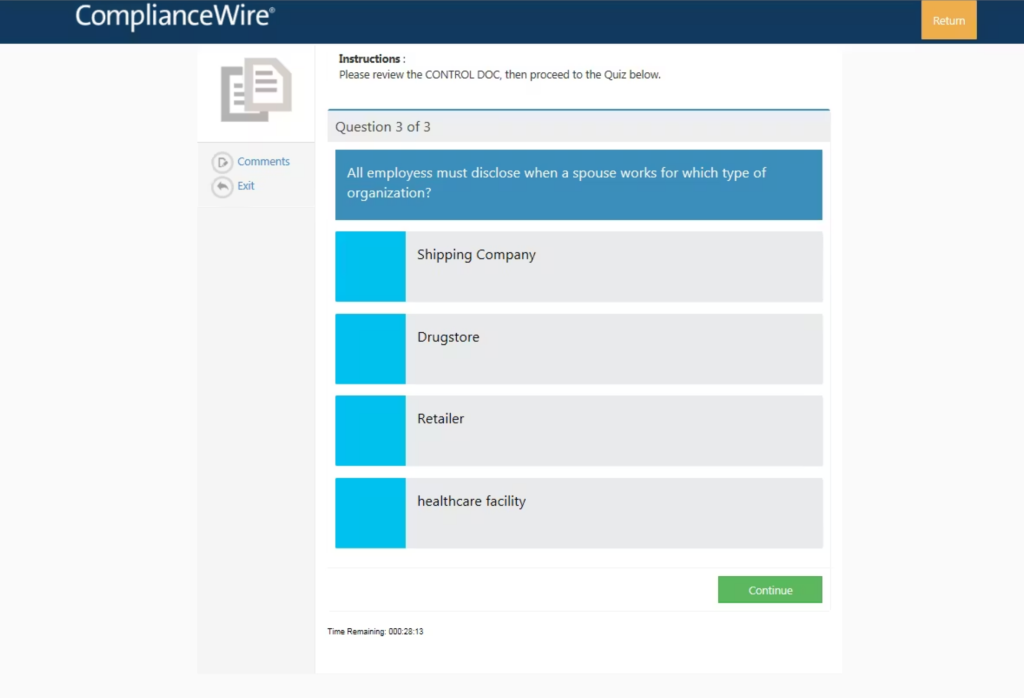
It’s natively validated to 21 CFR Part 11 and EU Annex 11, and meets regulatory requirements out of the box, without customers having to build their own IQ/OQ/PQ protocols.
The limitation that consistently arises: support quality varies by implementation team, and initial setup can require more effort than vendor documentation suggests.
Pros:
- Natively validated for FDA 21 CFR Part 11 and EU Annex 11
- FDA co-developed course library (same courseware used by FDA investigators)
- Automated role-based training assignments and qualification tracking
- Inspection-ready reporting with pre-built audit trail and compliance dashboards
- Electronic signature functionality compliant with Part 11 requirements
- HRIS and document management system integration
- 3.6 million users across 600+ organizations in 153 countries
Cons:
- Customer support quality varies; some users report setup training as inadequate
- File upload size limits flagged as restrictive by multiple reviewers
- Pricing is opaque; requires a sales conversation
- It can be complex for organizations new to validated LMS environments
Pricing: Custom quote. Positioned for mid-to-large life sciences organizations.
Rating: 4.4/5 (G2)
3. MasterControl: Best for Pharmaceutical and Medical Device Manufacturers With Full QMS Needs
The compliance leads I’ve talked to who use MasterControl say the same thing: comprehensive, holds up under inspection, and the implementation is not quick.
That’s not a criticism. It’s just what a validated, enterprise-grade QMS-integrated platform looks like in practice.
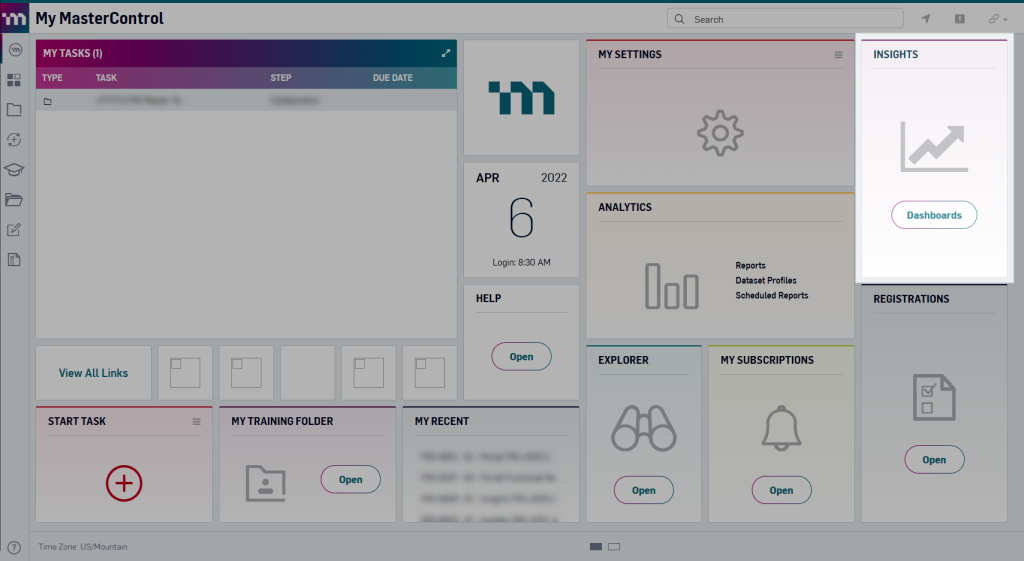
The core differentiator is the SOP-to-training linkage. When a controlled document changes, MasterControl automatically creates new training assignments for the personnel whose roles require it.
MasterControl does it natively, inside a full QMS that also handles document control, CAPA, change management, and audit management. However, the tool is expensive to exit, and this is worth knowing before you sign.
Pros:
- Pre-validated for 21 CFR Part 11; reduces customer-side validation effort
- Training directly linked to document control; SOP changes trigger automatic retraining
- Comprehensive QMS integration (CAPA, audits, change control, deviations)
- Used by pharmaceutical, medical device, and biologics companies across regulated industries
- AI-enabled tools for trend analysis and quality insights
Cons:
- Implementation is complex and time-consuming; it is not a rapid-deployment platform
- Interface and admin complexity draw consistent complaints; end-user training requires real investment
- Enterprise-level pricing; not accessible for small organizations
- Deep integration creates significant switching costs
Pricing: Custom quote. Positioned for mid-to-large regulated manufacturers.
Rating: 4.4/5 (G2)
4. Veeva Vault Training: Best for Life Sciences Organizations Already Using Veeva’s Quality Suite
I’ve heard about this one consistently from pharma and biotech teams who made the Veeva decision first and extended into training as a natural next step.
The core differentiator is the unified data model: when a controlled document changes in Vault QualityDocs, training assignments are automatically created for affected roles. That’s not an integration. It’s one system behaving consistently.
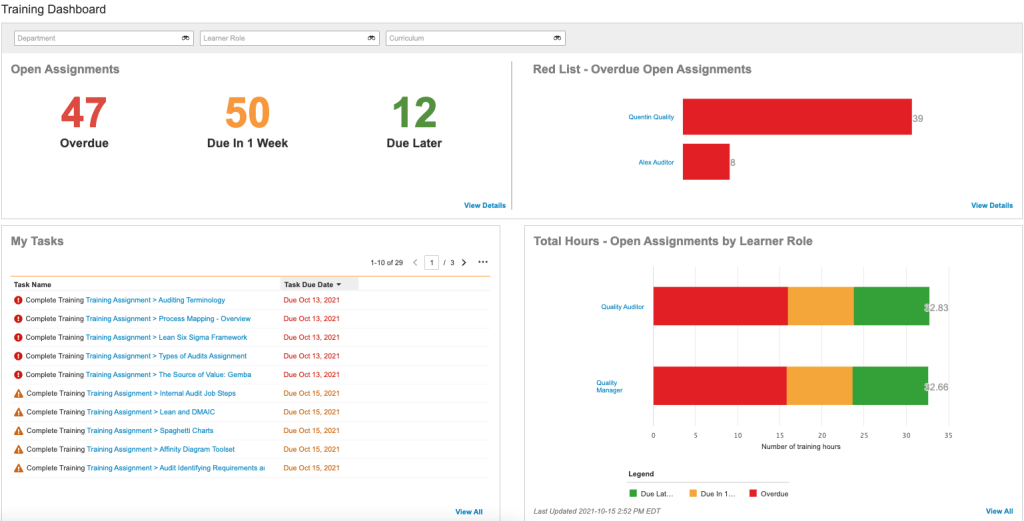
The value is highest if you’re already in the Veeva ecosystem. For organizations not running Vault Quality, the training module alone isn’t a compelling standalone buy.
And in early 2026, Veeva rolled out Vault AI Agents for safety and quality modules, which meaningfully reduces future manual administration for teams already invested in the platform.
Pros:
- Unified platform with Vault Quality, document control, and regulatory submissions
- Automatic retraining when controlled documents change
- Inspection readiness module generates training dossiers on demand
- 21 CFR Part 11 compliant architecture built into the Vault platform
- AI Agents add automated quality and safety workflows
- Strong adoption base in global pharma and growing biotech
Cons:
- Best value for organizations already using Veeva; limited case for standalone use
- Enterprise pricing; not suitable for small life sciences companies
- Implementation complexity requires dedicated IT and validation resources
- As a broader Vault user, per-user costs scale significantly
Pricing: Custom quote; typically licensed as part of the Vault Quality suite.
Rating: 4.1/5 (G2)
5. Octave Reliance (Formerly ETQ Reliance): Best for Multi-Industry QMS With No-Code Workflow Configuration
A quality operations manager I know from aerospace described the core appeal: it bends to how your organization works rather than forcing your organization to adapt to it.
The platform offers 40+ configurable applications on a no-code drag-and-drop interface covering document control, training management, CAPA, and supplier quality.
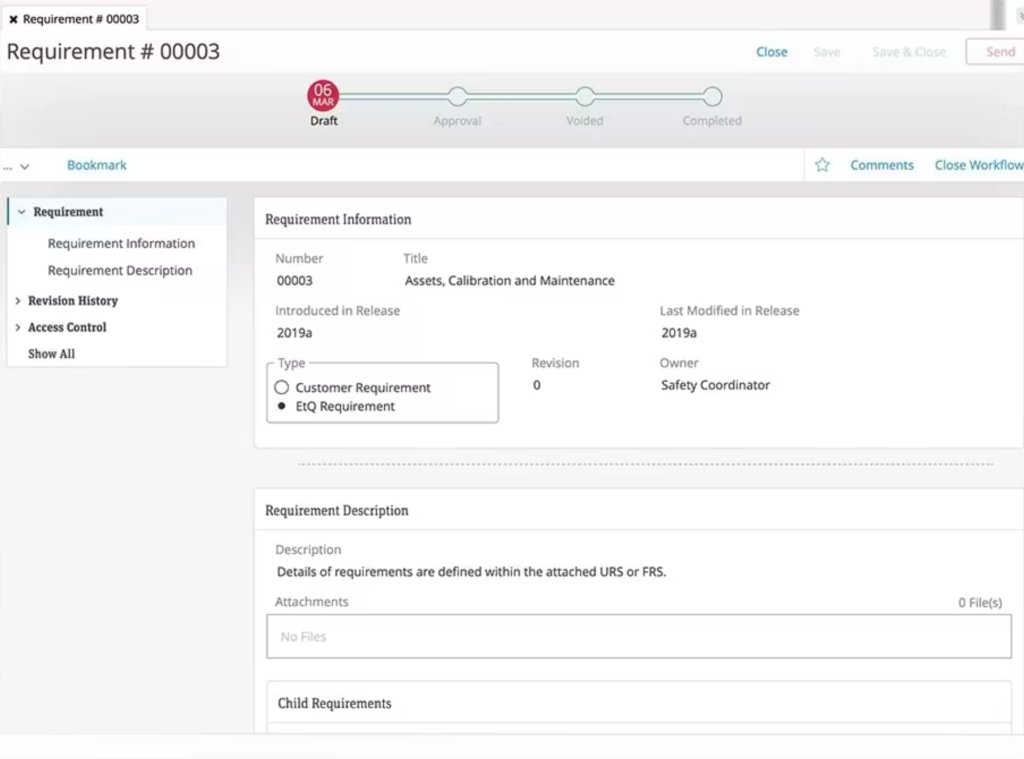
It’s used across pharma, medical devices, food and beverage, aerospace, and manufacturing.
The consistent limitation flagged in reviews is performance at scale: slower load times and search that requires multiple attempts on large document sets.
Pros:
- No-code workflow configuration; quality teams can modify training processes without IT
- 40+ built-in applications covering the full QMS scope
- GxP-compliant audit trail functionality
- Used in pharma, medical devices, food and beverage, aerospace, and manufacturing
- Mobile app for field-based quality and training management
- 24/7 support and comprehensive training library
Cons:
- Performance issues reported at scale; slower load times with large data volumes
- No published pricing; no free trial
- Customization depth requires time investment to master; steeper learning curve
- Search functionality requires multiple attempts for specific documents in large libraries
Pricing: Custom quote. No published tiers.
Rating: 4.3/5
6. iSpring Learn: Best for Regulated Organizations With Existing SCORM or PowerPoint Training Content
I’ve worked with iSpring Learn in an environment where an organization had years of PowerPoint-based training content and needed a compliant delivery platform without rebuilding from scratch.
The integration is genuinely seamless: PowerPoint decks, SCORM courses, and video training convert and deploy cleanly within hours of setup.
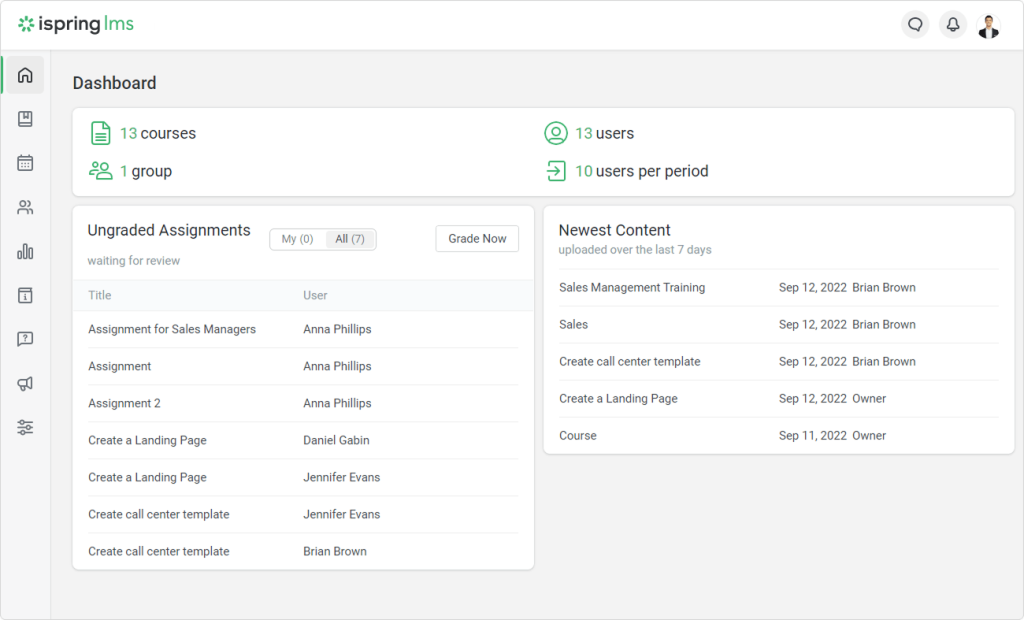
For FDA compliance, it handles certification management, role-based assignments, completion records, and SCORM/xAPI/AICC compatibility.
It’s not pre-validated for 21 CFR Part 11, but it covers the documentation and tracking requirements for most compliance scenarios outside pharmaceutical-grade validation. The limitation is equally clear: if you’re not already using iSpring Suite for authoring, you’re paying for integration depth you won’t use.
Pros:
- Fast deployment; teams report going live within hours of account setup
- Deep iSpring Suite integration for PowerPoint and SCORM content
- SCORM/xAPI/AICC compatibility for existing content libraries
- Certification tracking with expiration and automatic re-enrollment
- Mobile app with offline learning support
- Straightforward per-active-user pricing
Cons:
- Analytics and reporting are less developed than enterprise platforms; limited custom report visualization
- Best value when using iSpring Suite for authoring; weaker case for non-iSpring content creators
- Not pre-validated for 21 CFR Part 11 pharmaceutical requirements
- Branding and customization options are functional but not deep
Pricing: From $3.97/user/month (annual billing). Minimum user thresholds apply.
Rating: 4.5/5 (G2)
7. Absorb LMS: Best for Mid-to-Large Organizations Needing Compliance Automation and AI Course Creation
I’ve heard about Absorb from several L&D ops leads who describe the same experience: once past setup, the automation layer handles a significant amount of work that used to require manual admin.
Enrollment rules, certification renewals, deadline reminders, and compliance reporting all run without anyone having to queue them.
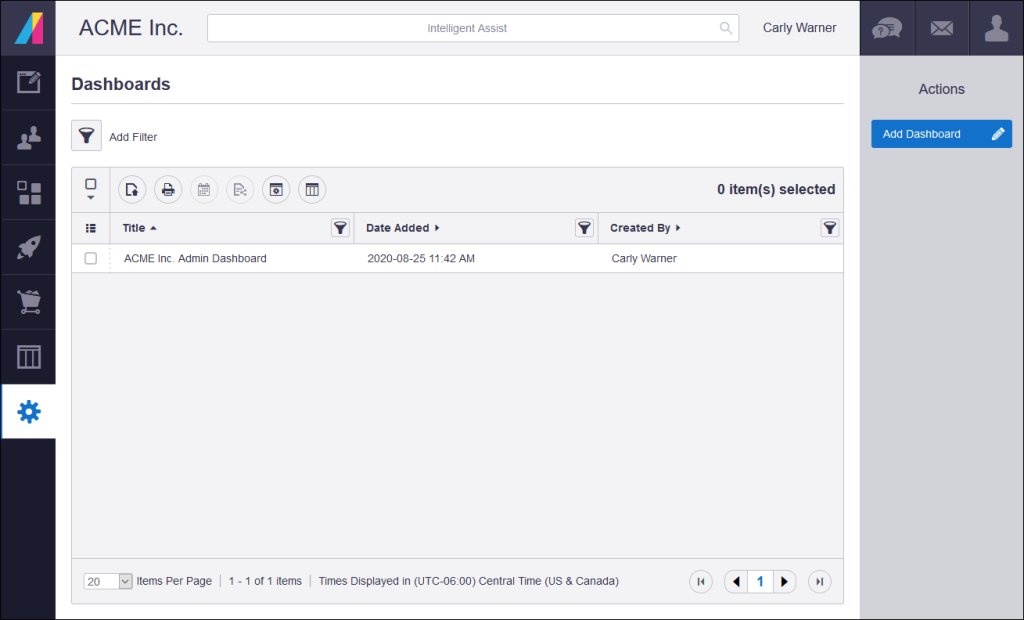
The Absorb Create AI tool generates courses, quizzes, and voiceovers in multiple languages from existing source material, addressing the most common bottleneck in regulated industries: the gap between updated SOPs and trained employees.
Like Litmos and TalentLMS, it’s not pre-validated for 21 CFR Part 11 and requires customer-side validation processes.
Pros:
- Absorb Create AI for rapid multilingual course and quiz development
- Strong automation for enrollment, certifications, and training reminders
- Real-time compliance dashboards showing training gaps and completion status
- SCORM/xAPI/AICC compatible
- Extended enterprise capabilities for external training audiences
- Amplify content library available as an add-on (20,000+ courses)
Cons:
- Pricing requires a sales conversation; no self-service trial path
- Implementation requires IT involvement for advanced customization
- Not pre-validated for 21 CFR Part 11; pharmaceutical-grade compliance requires additional configuration
- The content library is an additional cost, not included by default
Pricing: Custom quote. Positioned for mid-to-large organizations.
Rating: 4.6/5 (G2)
8. Litmos: Best for Mid-Market Teams Needing a Content-Rich Compliance LMS With Fast Deployment
A former colleague in medical device sales called Litmos “the platform we could actually get people to use,” which is often the overlooked compliance problem.
An incomplete audit trail because learners skipped through courses is just as bad as having no LMS at all.
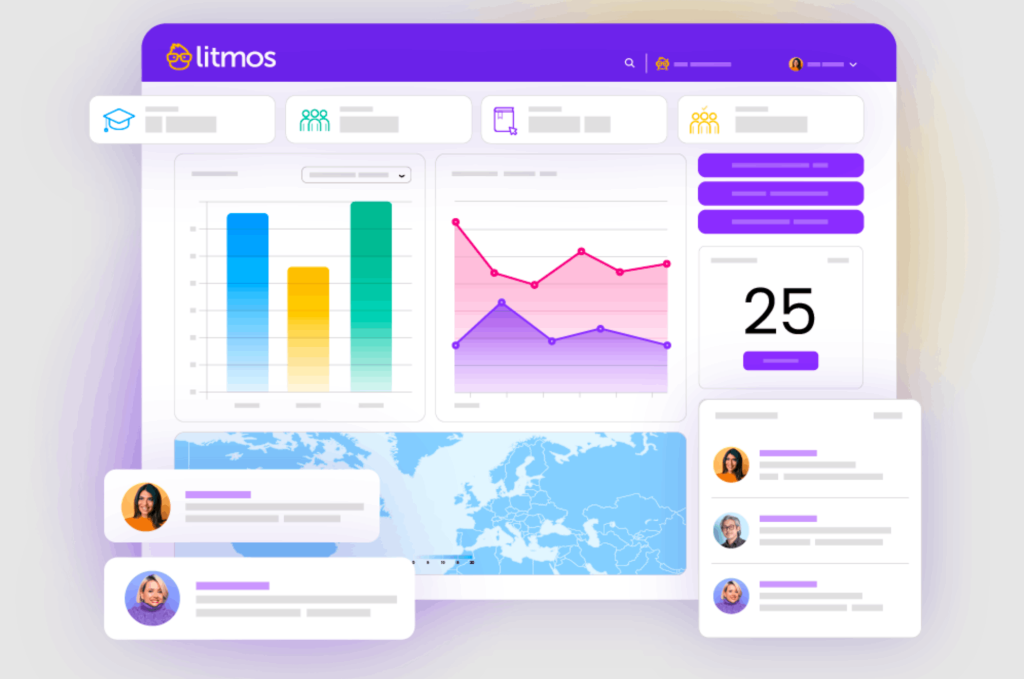
Litmos supports configurable e-signatures at course milestones, audit logs, certification management, and automated re-enrollment. The built-in course library covers compliance, safety, leadership, and customer service.
Multiple reviewers have flagged that pricing has escalated with recent updates, particularly for the content library, and that navigation has become less intuitive after feature changes.
Pros:
- Large built-in compliance course library; reduces content development burden
- Configurable e-signatures for Part 11 compliance support
- Certification management with expiration and renewal automation
- Mobile app with offline access for field-based learners
- Fast deployment; usable within days of setup
- Integrations with Salesforce, BambooHR, and HRIS platforms
Cons:
- Post-SAP acquisition, validation documentation support has declined, per pharmaceutical-specific buyer reviews
- Pricing escalates with content library add-ons; long-term cost efficiency concerns flagged by multiple reviewers
- Navigation has become less intuitive after recent updates
- Not purpose-built for pharmaceutical-grade 21 CFR Part 11 validation
Pricing: Custom quote.
Rating: 4.3/5 (G2)
9. TalentLMS: Best for Smaller Teams Formalizing FDA Compliance Training for the First Time
I’ve used TalentLMS in a previous role when a small manufacturing team needed to formalize safety training fast. The interface is genuinely approachable for non-technical admins, and setup to deployed training takes hours, not weeks.
It handles certification tracking, role-based assignments, completion records, and basic e-signature capability. The TalentCraft AI tool generates course outlines and quizzes from existing content.
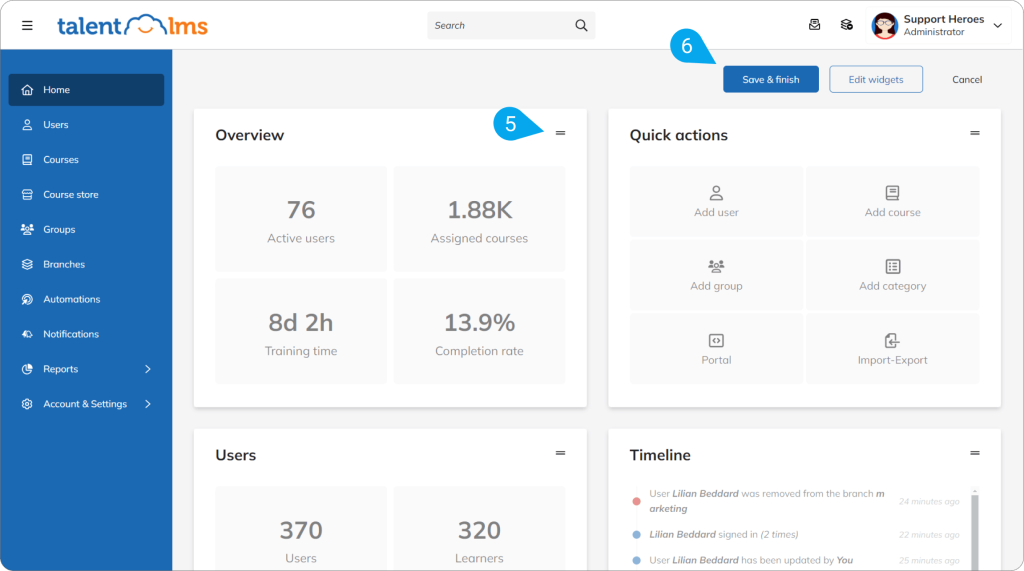
The honest limitation: it wasn’t built for pharmaceutical-grade 21 CFR Part 11 validation. For food manufacturers, OSHA training, and device distributors, it works well.
For organizations under active GMP inspection, evaluate the audit trail requirements carefully before committing.
Pros:
- Fast to set up; training programs can be live the same day
- TalentCraft AI generates course outlines and quiz questions
- Published pricing; free plan for up to 5 users
- Certification management with expiration and reminder automation
- SCORM/xAPI support for existing content
- Mobile app for on-the-go learning
Cons:
- Audit trail depth does not meet pharmaceutical-grade Part 11 requirements out of the box
- Reporting tools are basic, limited to cross-group or cross-curriculum reporting
- Not suitable for organizations requiring validated LMS environments
- Branding customization is restricted compared to enterprise platforms
Pricing: Free plan for up to 5 users. Paid plans from $119/month (Core).
Rating: 4.6/5 (G2)
10. Qualio: Best for Life Sciences Startups and Scale-Ups Needing an Integrated QMS With Training
Qualio came up in conversations with biotech founders and quality leads at emerging life sciences companies who needed a structured QMS and training without a six-figure enterprise budget.
It’s consistently described as the right size for organizations growing toward formal FDA oversight but not yet at the scale that justifies MasterControl or Veeva.
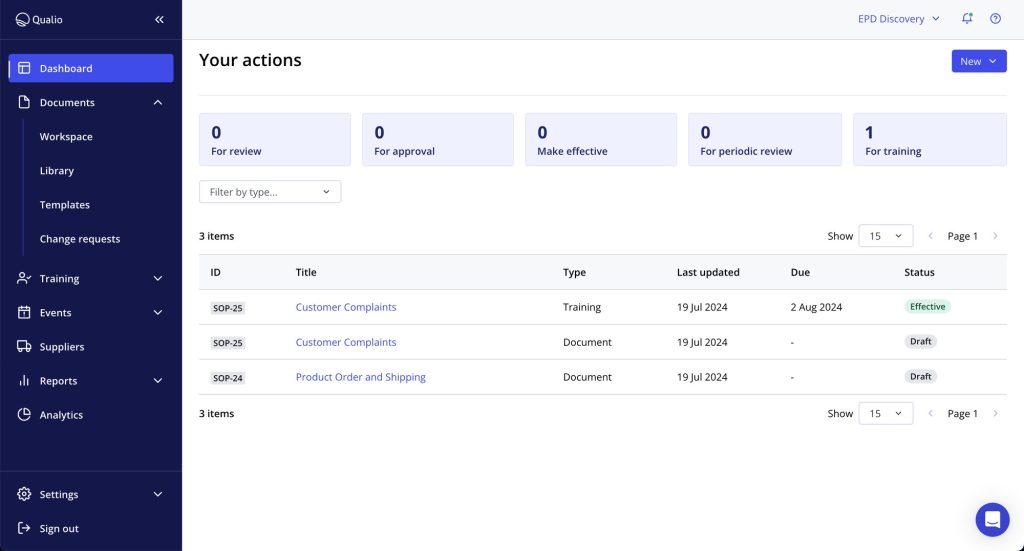
Document control, training management, CAPA, and supplier quality all live in one cloud environment. Training assignments are linked to document versions, so when a controlled document changes, affected personnel are automatically assigned updated training.
The limitation: as organizations scale into large enterprise deployments, some users report hitting feature ceilings.
Pros:
- Integrated QMS with training, document control, CAPA, and supplier quality
- Document-version-linked training assignments
- Clean, modern interface suitable for non-QA users
- Cloud-based with no on-premise maintenance overhead
- Strong customer success team responsiveness noted in reviews
- Well-suited for organizations preparing for their first FDA audits
Cons:
- Feature limitations emerge at enterprise scale; long-term users may outgrow the platform
- Pricing requires a sales conversation; no transparent published tiers
- Less established than MasterControl or Veeva for organizations already under heavy FDA scrutiny
- Some users report limited advanced reporting capabilities
Pricing: Custom quote. Positioned for emerging to mid-size life sciences companies.
Rating: 4.4/5 (G2)
My Top 3 Picks Among the Best FDA Compliance Training Software
After evaluating each platform based on real user feedback and considering how each tool fits specific regulatory and organizational contexts, here’s where the shortlist lands.
1. ProProfs Training Maker
For any regulated organization that needs a full, trackable compliance training operation without a dedicated LMS admin or a validated-environment implementation timeline.
The AI course builder, 500+ expert-made editable courses, audit trails, and certification management cover the majority of FDA compliance training requirements for food manufacturers, device distributors, contract manufacturers, and regulated service companies.
Crucially, it’s the only platform on this list with a free plan, an AI course builder, and published pricing, so you can evaluate, build a real program, and get internal budget approval before you talk to anyone in sales.
2. UL ComplianceWire
For life sciences organizations that need a pre-validated, 21 CFR Part 11 native environment and want courseware co-developed with the FDA itself.
It’s also the only tool on this list that FDA investigators themselves use for their own training, a credibility signal that shows up in audit conversations in ways competitor platforms can’t replicate.
3. MasterControl
For pharmaceutical and medical device manufacturers, training is one piece of a full quality management system.
The pre-validated 21 CFR Part 11 compliance, automatic retraining triggered by document changes, and integration with CAPA, audit management, and change control make it the strongest choice for organizations where the training module can’t be separated from the quality system.
How Did I Evaluate These Tools?
Every platform on this list was assessed against the following criteria, applied consistently.
Regulatory Compliance Depth: Does the platform meet the requirements of 21 CFR Part 11 for electronic records and signatures? Is it pre-validated, or does the customer bear the validation burden? How does the audit trail hold up under direct regulatory examination?
Audit Trail Integrity: Can administrators reconstruct a complete training record for any employee, any date, and any document version? Can they export it in a format that a regulatory investigator can review?
Automation: Does the system automatically assign training based on role changes, document updates, or certification expirations? Or does that require manual administration?
Ease of Use for Non-Technical Users: How quickly can a compliance officer or HR manager launch a training program without IT support? Platforms that require a dedicated admin to function poorly here.
Pricing Transparency and Total Cost: We compared what each platform delivers at each pricing tier, including implementation costs and feature limitations that inflate the effective price. Platforms with no published pricing and no trial path scored lower for accessibility.
Real User Feedback: We examined G2, Capterra, and Software Advice review patterns, focusing on what broke down after the initial onboarding period, not just during the evaluation phase.
What Features Should FDA Compliance Training Software Include?
Whatever an FDA investigator asks to see during an inspection, your software should produce immediately, without manual reconstruction. Here are the capabilities that matter.
| Feature | Why It Matters |
|---|---|
| 21 CFR Part 11 Compliance | If your organization falls under GMP regulations, the platform must support electronic signatures and tamper-evident audit trails that meet Part 11 requirements. |
| Automated Role-Based Training Assignment | Employees should receive training based on their job function, not based on someone remembering to assign it. When roles change or new hires join, assignments should follow automatically. |
| Document-Version-Linked Retraining | When a controlled document is updated and approved, affected personnel should automatically receive retraining. This is one of the most common sources of Form 483 observations when handled manually. |
| Certification Tracking and Expiration Management | The software should track training completion, issue certifications, and automatically trigger re-enrollment before certifications expire. |
| Inspection-Ready Reporting | Reports should be available on demand without manual extraction. Regulatory investigators ask for training records at specific intervals; your system should generate them in seconds. |
| SCORM/xAPI Compatibility | If your organization has existing training content in standard formats, the platform should accept and track it without conversion. |
The Bottom Line
FDA compliance training isn’t just an administrative function. It’s a documented regulatory requirement that gets examined during inspections and referenced in warning letters when it falls short.
The right platform depends on where you sit in the regulatory landscape.
The one thing that’s consistently true across every sector: waiting to build a compliant training program until after an FDA investigator asks for your records is the most expensive way to implement one.
The platforms on this list give you a working compliance training infrastructure before the question is asked.
If you’re not sure where to start, ProProfs Training Maker lets you evaluate it for free. Build a real compliance training program, run it with actual employees, and have a clear answer before you sign anything.
Frequently Asked Questions
Which industries need FDA compliance training software?
Pharmaceutical manufacturers, medical device companies, food and beverage producers under FSMA, biologics producers, clinical research organizations, and contract manufacturers all fall under FDA regulatory jurisdiction. Any organization where personnel perform functions affecting product quality, safety, or efficacy needs documented, auditable training records that hold up under inspection.
What is FDA compliance training software?
FDA compliance training software is an LMS or training module designed to meet FDA documentation and electronic signature requirements, particularly 21 CFR Part 11 and cGMP. It automates training delivery, maintains tamper-evident audit trails, tracks certification expiration, and generates inspection-ready reports on demand without manual reconstruction.
What is the best FDA compliance training software for small businesses?
For small to mid-sized businesses, ProProfs Training Maker and TalentLMS are the strongest options. Both have free plans, published pricing, and same-day setup without a dedicated admin. ProProfs adds AI course creation and 500+ editable compliance courses. For life sciences companies with specific pharma requirements, Qualio is worth evaluating.
Does FDA compliance training software need to be 21 CFR Part 11 validated?
Not always. Pharmaceutical manufacturers and clinical research organizations under GMP or GCP typically require a pre-validated LMS where the vendor owns the validation documentation. Food manufacturers and device distributors usually have more flexibility. The key question is whether you're using electronic records in place of paper records for FDA-regulated activities.
What features should I look for in FDA compliance training software?
Tamper-evident audit trails, electronic signature capability meeting Part 11 requirements, automated role-based training assignments, document-version-linked retraining triggers, certification expiration tracking with automatic re-enrollment, and inspection-ready reporting available on demand. Ask vendors to demonstrate the audit trail in a live system before signing anything.
How long does it take to implement FDA compliance training software?
ProProfs Training Maker, TalentLMS, and iSpring Learn can be running in hours to days. Litmos typically takes days to a few weeks. ComplianceWire, MasterControl, and Veeva involve weeks to months, particularly when IQ/OQ/PQ validation protocols are required. Enterprise QMS implementations should budget three to six months minimum.
Is there a free FDA compliance training software?
ProProfs Training Maker and TalentLMS both offer free plans. ProProfs lets you build and run a real compliance program with actual learners at no cost. Neither includes pharmaceutical-grade 21 CFR Part 11 validation documentation, but both are sufficient for food safety, OSHA, and general regulatory compliance training.
What is training management software for FDA ISO compliance?
Training management software for FDA and ISO compliance helps regulated organizations create, deliver, and document employee training that satisfies both FDA requirements (21 CFR Part 11, cGMP) and ISO standards (ISO 9001, ISO 13485 for medical devices, ISO 22000 for food safety). Core features include document control integration, role-based assignments, e-signatures, and audit-ready reporting.
Let ProProfs AI create your training course

 We'd love your feedback!
What did you like & how can we make it even better?
 Thanks for your feedback!
 Ask Your Question
Have a question? Get expert help to make your decision easier.